



Protein First, Then Sweets
Always make sure you have a meal that has a high protein content before you move onto the sweet treats.

Snack Smart Before You Go
If you are going out and won’t know what’s available until you get there, make sure you have a small snack made up of protein and fat before you leave. This way you won’t overeat when you do arrive because you are hungry, and it will help to control your blood sugar levels so that you don’t end up craving more of the sweet foods before eating.

Hydrate Before You Celebrate
Keep well hydrated at events and before you arrive at events. Our bodies can mistake thirst for hunger, which means we may end up eating to excess and focusing on foods that are readily broken down by the body to “solve the hunger” when in fact all we needed was some water to drink.

Plate Your Sweets
When you are eating sweet foods, such as desserts, cakes and pastries, make sure that you always plate these foods. Often they are served in platters and are bite size. If we don’t plate, we are not always able to properly judge how much we have eaten and tend to eat a lot more than we thought. If you use a small plate, it allows us to have a better idea of how much we are actually eating.

Sugar and Pregnancy: What You Need to Know
With a focus on sweets, we need to be aware of how bodies change the way that they process sugar when we are pregnant, especially as we move further along in our pregnancies. As we progress in our pregnancies, our body’s ability to keep up with the amount of insulin needed may not keep up, or it may not be able to use the insulin as well as it normally would. This can lead to Gestational Diabetes.
Gestational Diabetes is normally tested for around 28 weeks, but completing a 3 hour glucose tolerance test.
If you test positive or are borderline for Gestational Diabetes, then you need to do a complete overhaul of your diet, and it may even mean that you need to start taking insulin.

Pair Carbs Wisely in Pregnancy
Foods to focus on at this time is to limit all carbohydrates. When you work with a dietitian you will be able to determine how much carbohydrate your body can handle. And the number one rule is never, ever eat a “naked” carbohydrate. This means you never eat a carbohydrate by itself without a protein or fat alongside it to slow the rate at which it is broken down in your body.
If you test positive for Gestational Diabetes, it is especially important to monitor your morning fasted glucose levels. This will help to determine what you should be eating, and when you should be eating the night before.
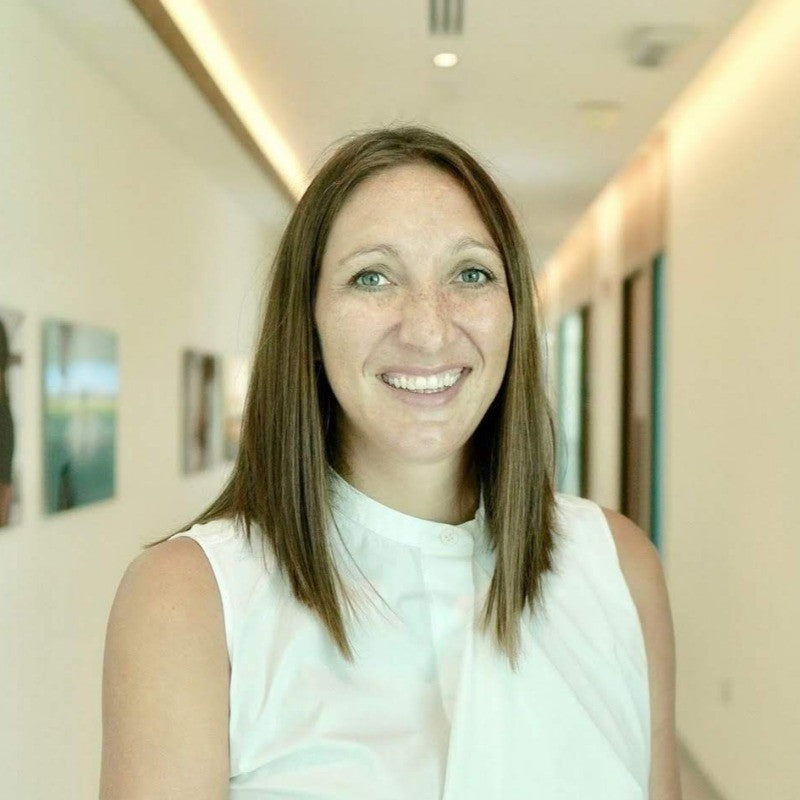
Jordana Ventzke
TMP Collaborator | Instagram: @jv_nutrition
Jordana is a qualified Paediatric Dietitian and wonderful mother to two children under 6 years old. In addition to being a Dietitian, Jordana is a HypnoBirthing Instructor, helping new families navigate how they would like to birth their babies.
Jordana specialises in infant nutrition, breastfeeding, food allergies and picky eating. She primarily works within the first 1000 days of life. Jordana works with families to support their choices and provide information to help them make informed decisions as to how they would like to raise their children.
Jordana and her husband choose a close attachment parenting approach when raising their children, having breastfed both children and co-slept. She has lived and worked in the Middle East for the last 10 years.